
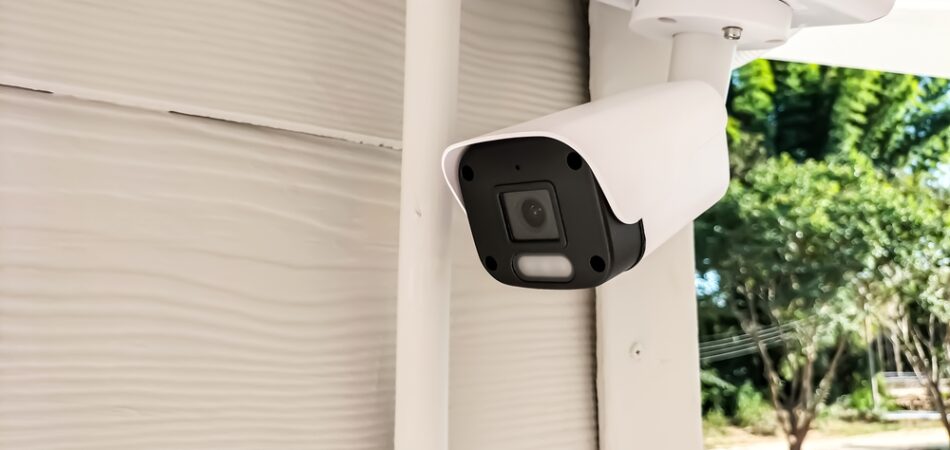
Houston homeowners face a unique mix of security concerns, including large properties, detached garages, frequent travel corridors, severe weather, and power interruptions during Gulf Coast storms. A reliable home security plan should protect the property around the clock, whether residents are asleep, at work, traveling, or dealing with an unexpected outage.
Quick Answer
Houston homeowners can improve 24/7 protection by combining professionally placed alarms, exterior cameras, strong entry-point security, reliable lighting, remote monitoring, and backup power. The best approach protects doors, windows, garages, driveways, and outdoor spaces while providing alerts when unusual activity occurs. Regular testing and seasonal maintenance help ensure every component remains ready.
What Houston Homeowners Should Know About 24/7 Security
A complete home security strategy should protect the property in layers rather than relying on a single alarm, camera, or door lock.
-
Exterior cameras should cover entrances, driveways, gates, side yards, and other common approach points.
-
Houston heat, humidity, heavy rain, and tropical weather can affect outdoor equipment that is not designed or installed for local conditions.
-
Homes in The Heights, Montrose, River Oaks, and other established neighborhoods may require customized placement because of mature landscaping, detached garages, or unusual floor plans.
-
Backup batteries and communication options can help security equipment continue operating during temporary power or internet disruptions.
-
Homeowners should test sensors, cameras, alerts, and monitoring connections regularly instead of assuming the system is working correctly.
Why Does Home Security Matter So Much in Houston?
Home security matters in Houston because local homes vary widely in size, layout, age, access, and exposure to severe weather. Properties inside the 610 Loop may have narrow side yards or detached structures, while homes in Katy, Sugar Land, and other nearby communities may have multiple exterior doors, larger driveways, and fenced backyards.
The Gulf Coast climate also creates operational challenges. Heat can affect equipment installed in direct sunlight, humidity may contribute to corrosion, and storms can disrupt power or communications. Security planning should account for both unauthorized access and the conditions that could prevent a system from working when it is needed.
Western Systems, Inc helps local property owners evaluate these risks and develop security solutions suited to their homes. After assessing the property, we can identify vulnerable areas, recommend appropriate equipment, and help create a more dependable security plan.
What Local Conditions Affect Home Security Equipment?
Houston’s heat, humidity, heavy rain, and storm activity can affect the performance and lifespan of security equipment. Outdoor cameras, motion sensors, wiring, housings, and connections should be selected and installed with local exposure in mind.
This section is based on common professional field observations rather than a specific published dataset. Equipment placed under deep eaves may experience different conditions than a camera mounted on an exposed garage, gate, or detached structure. Sun glare, blowing rain, vegetation growth, insects, and condensation can all reduce visibility or cause false alerts.
Homeowners should also consider storm-related outages. A system that depends entirely on household power, one internet connection, or one communication path may become less reliable during severe weather. Backup power and alternative communication methods can improve resilience.
How Does a Strong Security System Protect a Houston Home?
A strong security system protects a Houston home by detecting activity early, documenting events, notifying the homeowner, and supporting a faster response. The goal is not simply to record what happened after an incident. It is to create multiple opportunities to discourage, detect, verify, and respond.
Visible cameras and lighting may discourage unwanted activity. Door and window sensors can identify entry attempts. Motion detection can provide additional coverage in hallways, garages, and outdoor zones. Remote alerts allow homeowners to check activity while away from the property.
For residents who travel frequently through George Bush Intercontinental Airport or William P. Hobby Airport, remote access can provide added awareness. Homeowners can verify deliveries, check entrances, or review alerts without being physically present.
What Warning Signs Suggest a Home Has Security Gaps?
Security gaps often appear as poor visibility, inconsistent coverage, delayed alerts, or equipment that no longer performs reliably.
Common warning signs include:
-
A front door, back door, or garage entrance is not visible on any camera.
-
Exterior footage becomes washed out by sunlight or too dark at night.
-
Trees, shrubs, columns, or fencing block important camera views.
-
Motion alerts are so frequent that household members begin ignoring them.
-
Door or window sensors fail to report consistently.
-
The system stops working during short power or internet interruptions.
-
Camera lenses show condensation, dirt, insects, or water spots.
-
Homeowners cannot easily confirm whether an alarm or alert is legitimate.
Any of these signs may indicate that the system needs adjustment, maintenance, or a more complete professional evaluation.
When Should Houston Homeowners Call a Security Professional?
Houston homeowners should call a security professional when they cannot confirm full coverage, experience unreliable alerts, add new access points, or need equipment that remains dependable during outages. Professional help is also appropriate when cameras, alarms, access controls, and monitoring must work together.
Homeowners can safely perform simple visual checks, clean accessible camera lenses, test user notifications, and confirm that doors and windows close properly. Electrical work, concealed wiring, elevated equipment, system programming, and major coverage changes should be handled by qualified professionals.
A professional assessment is especially useful after remodeling, building an addition, installing a new gate, converting a garage, or changing landscaping. Each of these changes can create new blind spots or alter how people approach the home.
What Are the Most Common Home Security Weaknesses in Houston?
The most common home security weaknesses in Houston are unprotected side entrances, detached garages, blocked camera views, poor nighttime visibility, and systems without reliable backup power.
1. Side yards and gates: Narrow passages between homes can be difficult to see from the street. Gates may also provide access to back doors, patios, or detached buildings.
2. Garages and driveways: Attached and detached garages often contain tools, vehicles, storage, and secondary entry points into the home.
3. Mature landscaping: Large trees and dense shrubs in neighborhoods such as The Heights and Memorial can create privacy, but they may also block lighting or camera views.
4. Incomplete nighttime coverage: A camera may work well during daylight but provide limited detail after dark if lighting and placement are poor.
5. Weather-related interruptions: Tropical storms, lightning, and temporary outages may affect systems that lack backup power or redundant communication.
How Can Homeowners Maintain Reliable Security Year-Round?
Homeowners can maintain reliable security year-round by testing the system regularly, keeping equipment clean, managing vegetation, and preparing for storm season. Small maintenance tasks can prevent minor issues from becoming major coverage failures.
Before the most active Gulf Coast storm periods, test backup batteries and confirm that alerts reach the correct household members. Inspect outdoor cameras after heavy rain or wind. Trim branches and shrubs that interfere with views or motion detection.
During Houston’s hottest months, check equipment exposed to direct afternoon sun. Review nighttime footage after exterior lighting changes or landscape growth. Homeowners should also update access codes when household members, contractors, caregivers, or service providers no longer need entry.
DIY maintenance should stop when equipment requires rewiring, relocation, electrical troubleshooting, or system reprogramming.
What Results Can Homeowners Expect From Professional Security Improvements?
Homeowners can expect professional security improvements to provide clearer coverage, more useful alerts, stronger entry-point protection, and better awareness of activity around the property. Results depend on the home’s layout, equipment, communication method, and maintenance.
A well-planned system should make it easier to distinguish normal events from suspicious activity. Camera placement can reduce blind spots, properly configured alerts can limit unnecessary notifications, and backup power can support continued operation during short outages.
No security system can eliminate every risk. The realistic goal is to improve deterrence, detection, documentation, communication, and response.
What Home Security Mistakes Should Houston Residents Avoid?
Houston residents should avoid relying on one camera, ignoring environmental conditions, and installing equipment without a complete coverage plan.
Mistake: Covering only the front door.
Consequence: Side gates, garages, patios, and rear entrances remain unmonitored.
Better approach: Evaluate every practical path to the home.
Mistake: Choosing equipment without considering heat and rain.
Consequence: Outdoor performance may decline or become inconsistent.
Better approach: Use properly rated equipment and protected installation locations.
Mistake: Allowing excessive false alerts.
Consequence: Household members may stop responding promptly.
Better approach: Adjust detection zones, sensitivity, and camera angles.
Mistake: Forgetting backup power.
Consequence: Protection may be reduced during an outage.
Better approach: Include tested battery backup and resilient communication options.
What Is a Common Houston Home Security Scenario?
A common Houston home security scenario involves a two-story home with a front camera but limited coverage of the driveway, side gate, backyard, and garage entrance. Mature landscaping blocks portions of the view, while frequent motion alerts are triggered by passing vehicles or branches.
A professional assessment may identify better camera positions, improved lighting, adjusted detection zones, additional door or window sensors, and backup power needs. This is a representative local scenario, not a specific customer case study.
Which Security Services Can Address These Risks?
Security services can address these risks through professional system design, alarm detection, video surveillance, monitoring, access control, equipment integration, and maintenance. The appropriate combination depends on the property and the homeowner’s priorities.
We begin by evaluating entry points, exterior approaches, blind spots, lighting, connectivity, and household routines. From there, we can recommend a system that supports practical daily use rather than adding unnecessary complexity.
Should Homeowners Choose DIY or Professional Security?
Homeowners should choose professional security when they need coordinated coverage, reliable installation, system integration, or help protecting a complex property. DIY products may be suitable for simple monitoring needs, but they require the homeowner to handle placement, configuration, testing, maintenance, and troubleshooting.
Professional installation is often the stronger option for larger homes, detached structures, multiple entry points, difficult wiring, and advanced monitoring needs. It also helps reduce blind spots created by poor camera height, glare, narrow viewing angles, or incorrect motion settings.
Where Are Local Security Services Available?
Local security solutions may support homeowners throughout Houston and nearby communities in Harris County and the surrounding region. Service needs may extend to areas such as Katy, Sugar Land, Pearland, Baytown, and communities near the Energy Corridor.
Property layouts and security priorities vary across the region, so each home should be evaluated individually.
What Can Happen When Home Security Problems Are Ignored?
Ignoring home security problems can lead to missed activity, unusable footage, delayed alerts, and reduced protection during outages or severe weather. A camera that records the wrong angle or a sensor that works inconsistently may create a false sense of security.
Waiting can also allow landscaping, building changes, or equipment deterioration to create larger blind spots. Regular reviews help homeowners identify these issues before an urgent event exposes them.
Frequently Asked Questions
What is the best security system for a Houston home?
The best security system for a Houston home combines alarms, cameras, entry sensors, monitoring, useful lighting, and backup power. The right configuration depends on the home’s size, number of entrances, garage layout, outdoor exposure, internet reliability, and the homeowner’s preferred level of remote access.
Do Houston security systems need backup power?
Yes, Houston security systems should include dependable backup power because storms and utility interruptions can temporarily affect household electricity. Battery backup may help alarms, communication equipment, and selected cameras continue operating. Homeowners should test batteries regularly and replace them according to the equipment manufacturer’s guidance.
Where should outdoor cameras be placed in Houston?
Outdoor cameras should cover front doors, back doors, driveways, garages, gates, and side-yard approaches. Placement should account for direct sunlight, heavy rain, mature landscaping, rooflines, and nighttime lighting. Cameras should provide useful identifying detail rather than only a wide view of the property.
How often should Harris County homeowners test security equipment?
Harris County homeowners should perform basic system checks regularly and after major storms, outages, renovations, or landscaping changes. Tests should confirm that sensors activate, cameras record clearly, alerts reach the correct users, monitoring connections function, and backup power remains available.
Can landscaping affect home security cameras?
Yes, landscaping can block camera views, create shadows, trigger motion alerts, and provide concealed access near doors or windows. Houston’s long growing season means shrubs and tree branches can interfere with equipment quickly. Regular trimming helps preserve visibility without removing the privacy benefits of established landscaping.
Are doorbell cameras enough for Houston homeowners?
No, doorbell cameras are useful but rarely provide complete property protection. They typically focus on the front entrance and may not cover garages, side gates, rear doors, patios, or detached structures. A layered system gives homeowners better awareness of activity around the entire property.
How can I reduce false security alerts during Houston storms?
You can reduce false alerts by using proper camera placement, protected equipment, carefully configured motion zones, and sensitivity settings suited to the property. Wind-driven vegetation, insects, rain, reflections, and moving shadows can all trigger alerts. Professional adjustment can improve accuracy without creating major coverage gaps.
Should security systems be reviewed after remodeling?
Yes, security systems should be reviewed after remodeling because walls, doors, windows, lighting, and traffic patterns may change. A new addition, garage conversion, patio enclosure, or fence can create blind spots or make existing sensors less effective. A post-project review helps align protection with the updated property.
Protect Your Houston Home With a More Complete Security Plan
Reliable home security starts with understanding how people, weather, landscaping, and building design affect the property. With thoughtful planning, regular testing, and professionally installed equipment, homeowners can improve awareness and maintain stronger protection throughout the year.
Build a Safer, More Resilient Houston Home
We help homeowners identify vulnerabilities and explore practical security solutions designed around their property.