
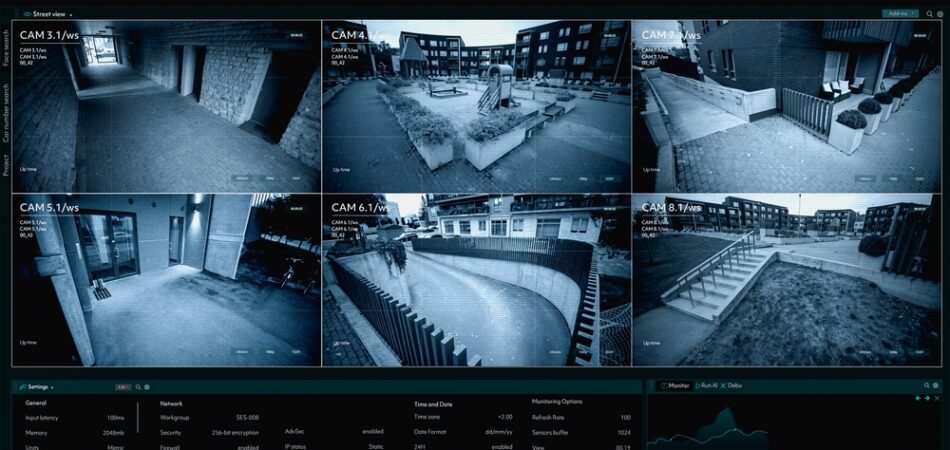
The choice between wired and wireless cameras is one of the most common decisions people face when setting up CCTV systems in Houston, TX. The city’s unique mix of suburban neighborhoods, commercial districts, and extreme weather conditions makes this comparison especially relevant for local residents. Understanding the key differences can save you time, money, and frustration before you invest in a camera setup that may not be right for your specific situation.
The Basics of Wired and Wireless CCTV Systems
Before diving into which system suits Houston best, it helps to understand what each type actually involves. Wired CCTV systems use physical cables, typically coaxial or ethernet, to transmit video footage from the camera to a recording device. These cables also often deliver power directly to the camera, making the entire setup self-contained and highly reliable once it is installed.
Wireless systems, on the other hand, transmit footage over a Wi-Fi or cellular connection. Many wireless cameras still require a power cable plugged into an outlet, though some models run on rechargeable batteries. The absence of a video transmission cable is the defining feature of wireless home monitoring systems, not necessarily the absence of all cables. This distinction matters a great deal when homeowners start planning a camera setup comparison for their own property.
Both types of CCTV systems in Houston, TX are widely available and supported by professional installation companies throughout the metro area. The right choice depends on your property type, your existing infrastructure, and how much flexibility you need over time.
How Houston’s Climate and Environment Affect Your Choice
Houston’s climate is no joke. The city deals with intense heat and humidity for much of the year, and it is no stranger to heavy rain, flooding, and the occasional hurricane. These conditions play a real role in determining which video surveillance options will hold up over the long term.
Wired systems tend to perform more consistently in harsh weather. Because the signal travels through a physical cable rather than over airwaves, there is no risk of interference from electrical storms, heavy rainfall, or thick cloud cover. For homeowners in flood-prone areas like Meyerland or near Brays Bayou, a wired system with properly sealed cable conduits can provide more dependable coverage during the exact moments when security matters most.
Wireless systems have improved significantly in recent years, and many modern models carry strong weather resistance ratings. However, signal disruptions during severe thunderstorms remain a concern. Houston experiences some of the most intense storm activity in the country, and Wi-Fi connectivity can be unreliable during power outages, which also tend to knock out internet routers. If your neighborhood loses power frequently during storm season, a wireless system may leave you with gaps in your coverage precisely when you need it most.
That said, wireless home monitoring systems are often more than adequate for properties in low-flood-risk zones and areas with stable internet service. The key is honestly assessing your local environment before committing.
Installation Costs and Long-Term Maintenance
One of the most common questions surrounding any camera setup comparison is how much the installation will actually cost. In Houston, TX, wired vs wireless cameras in Houston, TX carry very different price profiles from start to finish.
Wired systems generally cost more upfront. Running cables through walls, ceilings, and exterior surfaces requires labor and materials, and in larger homes or commercial properties, that cost can add up quickly. However, once a wired system is installed correctly, it tends to require very little ongoing maintenance. There are no batteries to replace, no firmware updates that brick a device, and no Wi-Fi password changes that accidentally disconnect a camera.
Wireless systems are typically cheaper and faster to install, which makes them attractive for renters, people who move frequently, or those who want a quick solution without major construction. Many wireless cameras are designed for DIY installation and can be set up in a single afternoon. The trade-off is ongoing attention: batteries need charging or replacing, software needs updating, and signal strength needs monitoring. Over the span of several years, these smaller costs can add up and may rival or exceed the initial savings.
For businesses in areas like the Galleria, Midtown, or the Energy Corridor, where security requirements are high and downtime is costly, wired systems tend to offer a stronger return on investment. For residential users in neighborhoods like The Woodlands or Sugar Land who want basic coverage and value convenience, wireless is often a practical and reliable option.
Video Quality, Storage, and Remote Access
When homeowners and business owners evaluate video surveillance options, picture quality and storage flexibility are usually near the top of the list. Fortunately, both wired and wireless technologies now support high-definition and even 4K video. The gap in video quality between the two has narrowed considerably, though some important distinctions remain.
Wired systems connected via ethernet cables, often called IP cameras, can handle extremely high-resolution video with minimal latency. Because the data travels over a dedicated cable, there is no bandwidth competition with other devices on a network. This makes wired systems especially well-suited for large properties that need to monitor many areas simultaneously without any degradation in video quality.
Wireless cameras rely on your home or business Wi-Fi network, which means they are competing for bandwidth with phones, computers, smart TVs, and every other connected device in your building. In a busy household or office, this can lead to choppy video or delayed alerts. Upgrading to a high-speed internet plan and a quality router can reduce this problem significantly, but it is an added consideration.
Both system types typically offer local storage via a DVR or NVR device, as well as cloud storage subscriptions for remote access. Wireless systems often lean more heavily on cloud storage, which introduces a monthly fee and a dependency on internet connectivity. Wired systems generally store footage locally by default, giving you full control over your recordings regardless of whether your internet is working.
Which System Is Right for Houston Homeowners and Businesses?
The answer is not one-size-fits-all, but there are clear patterns that emerge when looking at the needs of people who rely on CCTV systems in Houston, TX.
Wired systems are the stronger choice for larger properties, commercial locations, areas with frequent storms, and anyone who wants a set-it-and-forget-it solution with minimal ongoing maintenance. If you own a warehouse, a retail storefront, or a large home with multiple entry points, the reliability and consistency of a wired system are hard to beat.
Wireless systems are a smart choice for renters, smaller homes, or people who want the flexibility to reposition cameras as their needs change. They are also ideal for adding coverage to spots that are difficult to wire, such as detached garages, back fences, or outbuildings. Many Houston homeowners use a hybrid approach, installing a wired system as the backbone for their most critical coverage areas and supplementing with wireless cameras where running cables is impractical.
Conclusion
Choosing between wired and wireless CCTV systems in Houston, TX comes down to your property’s size, your local environment, your budget, and how much maintenance you are willing to manage over time. Wired systems offer durability, consistency, and long-term value, especially in a city where storms and extreme weather can test your equipment. Wireless systems offer speed, flexibility, and affordability, making them a strong contender for residential users and smaller setups.
Whichever direction you choose, investing in quality video surveillance options is one of the smartest decisions you can make as a Houston property owner. Consulting with a licensed local security professional can help you build a camera setup comparison tailored to your specific needs, ensuring that your home monitoring systems deliver reliable protection for years to come.